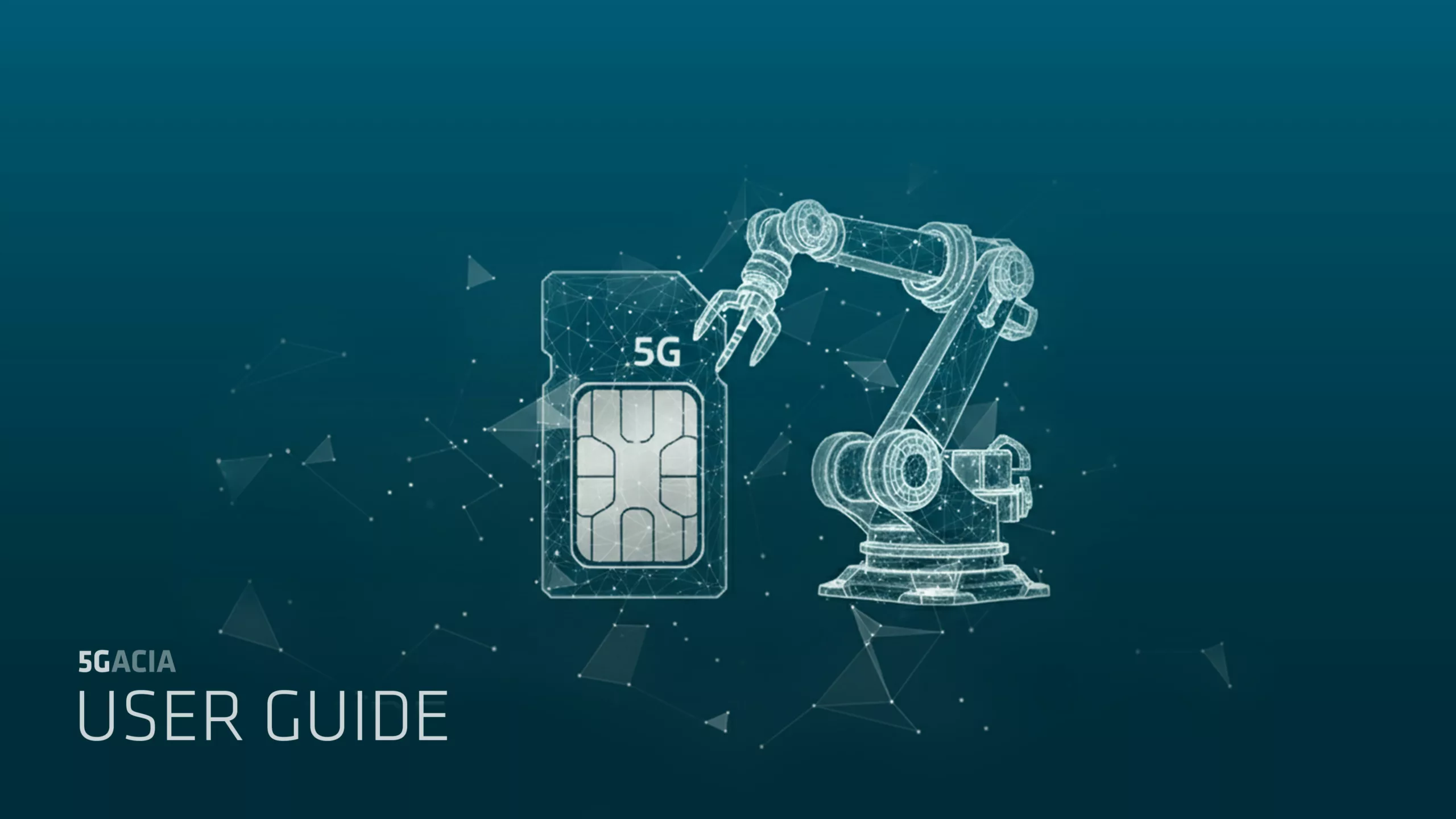
The provisioning of a SIM for a 5G device prepares the network to allow the SIM to function within it. The provisioning process depends on the specific system. In some systems, certain parts or even entire steps may not be necessary. Provisioning in 5G networks can be divided into two main stages, which ensure that the SIM and the device are ready for operation:
- SIM Preparation: Information is written to the SIM, which is programmed with digital information specific to the 5G network. During this phase, the SIM receives data such as:
- Authentication information: including encryption keys and authentication methods such as the IMSI (International Mobile Subscriber Identity) and the authentication key (Ki). These elements are essential to ensure that the device can successfully authenticate with the network.
- Network information: such as the PLMN ID (Mobile Country Code + Mobile Network Code), which is configured to allow the device to identify the correct network to connect to.
- Network Provisioning: After preparing the SIM, the next step is network provisioning, where the device receives the resources needed for operation:
- IP address assignment: Usually through a user interface, the SIM is registered on the 5G network and receives an IP address, allowing the UE carrying the SIM to connect and transfer data on the network.
- Network user interface activation: Once the SIM is configured and has an IP address, it must also be enabled on the network management platform or dashboard. This process includes device activation and the allocation of resources such as QoS (Quality of Service) profiles and access control.
Most standalone 5G networks, which one can operate alone, are supplied with a user interface that allows SIM provisioning. The SIM information for the device can be transferred via a physical SIM card, which is inserted into the device, or directly uploaded if the device supports eSIM or iSIM.