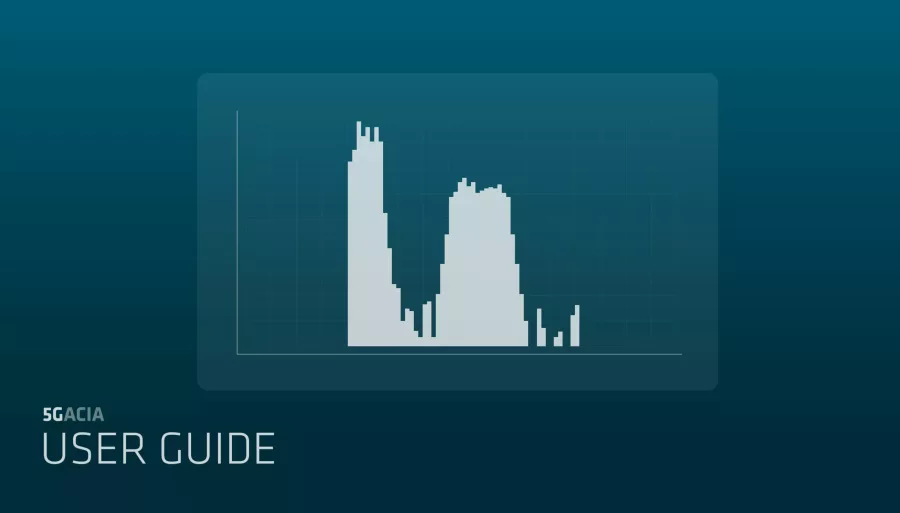
In 5G networks, various factors collectively influence the total transmission time (TT) of data. For industrial applications, understanding these factors and their contributions is essential for setting requirements and ensuring adequate performance.
The TT is typically measured at a reference interface, where data is handed over by the application to the communication system for transmission. Many industrial 5G devices use Ethernet connections to link the application to the device’s interface, which then routes the data to the wireless interface.
Some factors that influence transmission time include:
- Processing time within the communication device: This can vary significantly depending on the hardware and software implementations by different manufacturers. As a result, devices from different vendors may exhibit varying performance levels.
- Location of the source and target endpoint: If the source (e.g., a machine) is connected to a 5G device and the target (e.g., a PLC) resides in the network backend, the transmission involves only one wireless link (uplink). If the target is connected to the machine, the transmission occurs in the downlink. Downlink transmissions tend to be faster due to network scheduling characteristics, which typically favor this direction. However, configurable parameters, such as the periodicity of transmission grants in the uplink, can be adjusted to improve uplink TT, though this may come at the cost of increased energy consumption.
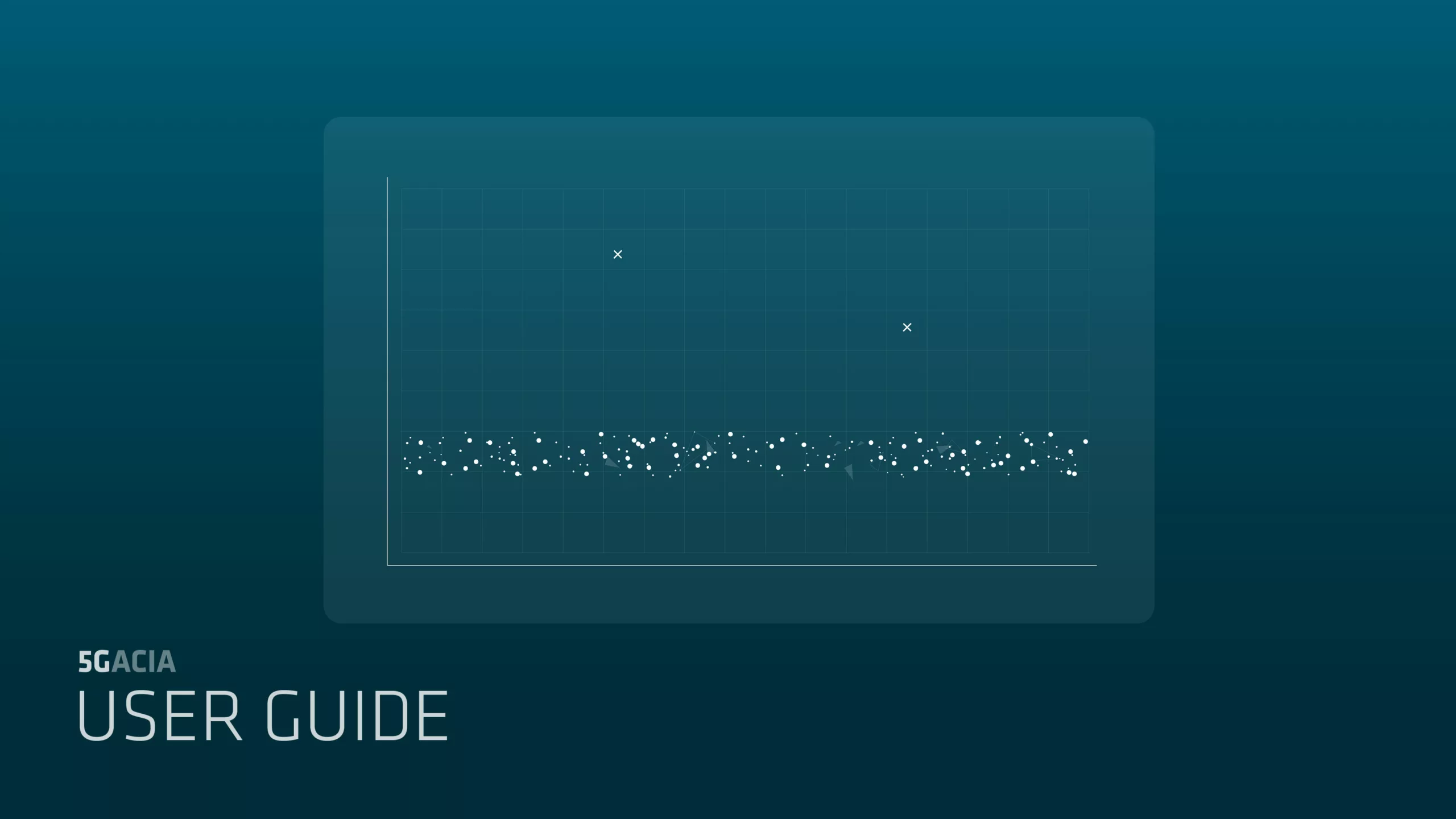
TTs significantly higher than expected, i.e., outliers, can occur in a 5G system. These outliers may result from various causes: message accumulation in network buffers, congestion at specific points in the system, interference, or transient failures in data processing. While it is often difficult to determine the exact cause of such outliers, awareness of their potential occurrence is important. For some applications, such as audio or video transmission, these TT peaks may be acceptable. However, for critical industrial applications, such as real-time control or safety applications, outliers can be problematic and directly impact production processes.
Recommendations for end users are:
- Adapting Applications: End users should consider the possibility of outliers and adapt their applications to make them more resilient. For example, introducing redundancy or delay tolerance mechanisms can help mitigate the impact of these events.
- Performance Testing: Conducting performance tests is essential to identify the frequency and severity of outliers. These tests help determine when latency peaks occur, whether the network or UE is the source, and what might be causing the issue, thus enabling appropriate adjustments in the communication system configuration (troubleshooting).
- Parameter Configuration: Modifying network parameters, such as the grant intervals in the uplink, can reduce latency in specific scenarios. However, such adjustments should be made carefully, considering the effects on other aspects like energy efficiency.
By understanding the factors that influence latency and recognizing the potential for outliers, end users can better plan their applications in 5G networks, striking a balance between performance, reliability, and resilience.