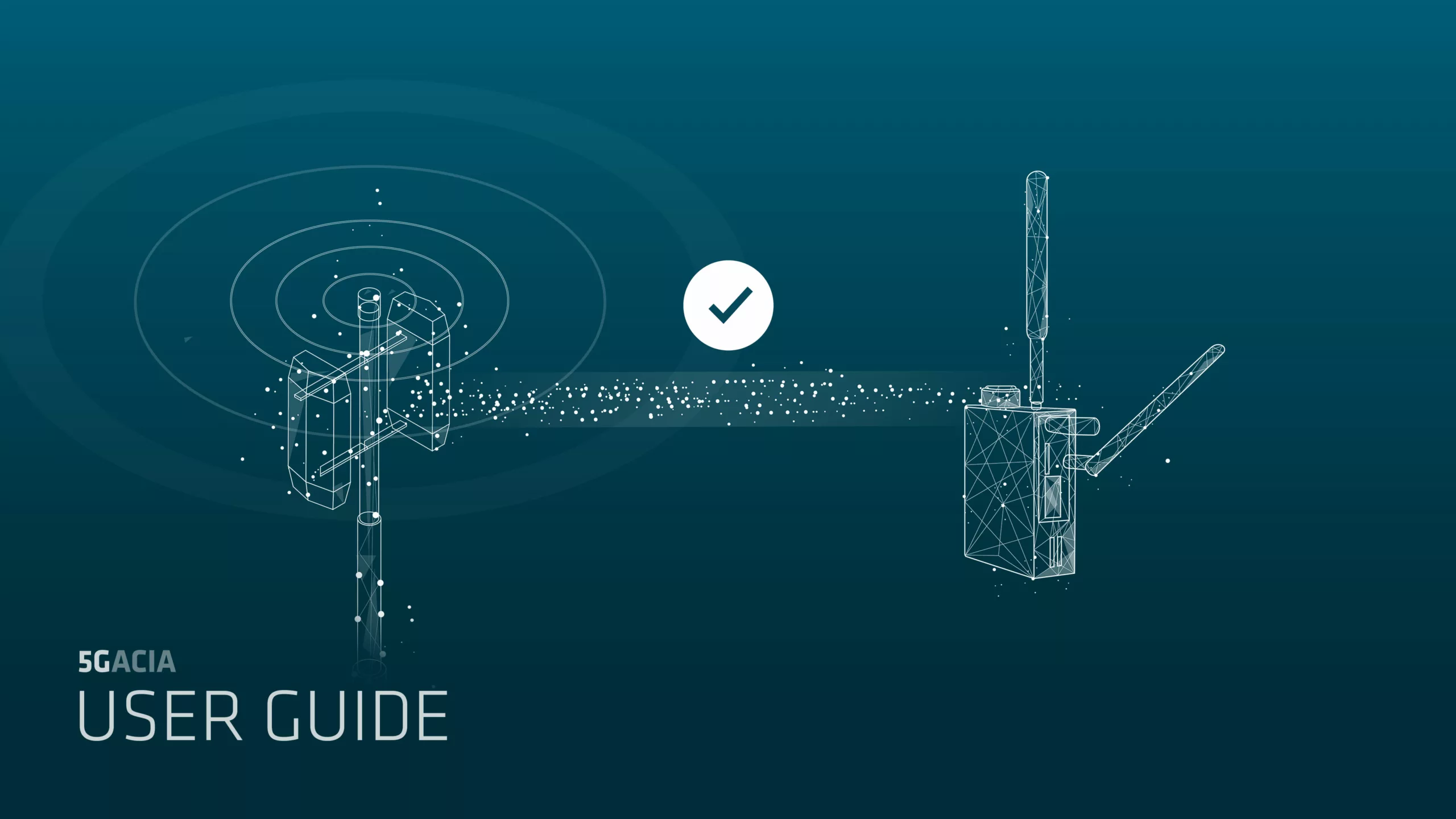
When purchasing user equipment (UEs) for use with a 5G system, it is essential to consider whether the UEs and the 5G system are interoperable. This means checking whether the UE can successfully connect to the 5G system and whether both components support all required features.
During the initial rollout of non-public (private) networks (NPNs), connectivity issues were encountered between certain UEs and some NPNs. One common issue was the lack of support for the PLMN IDs (e.g., PLMN ID 999/99) reserved for NPNs. Although this issue has been resolved in most cases, it remains important to confirm with the vendor during procurement that the UE supports these PLMN IDs and can connect to the NPN.
Another interoperability challenge involves mismatched security configurations between the UE and the 5G network. This doesn’t necessarily mean that the two cannot work together, but it often requires additional time and effort to configure both sides properly to ensure compatibility.
It is also critical to verify interoperability with respect to specific 5G features. To do this, the required features must be clearly defined in advance. An expert or vendor should then be consulted to confirm that both the UE and the 5G system support these features and can operate them together. For integration into legacy systems, it is equally important to verify compatibility between the UE and the 5G system.
In general, it is advisable to ask the vendor or expert as many detailed questions as possible to ensure interoperability. Nothing should be assumed or taken for granted. Even questions that seem trivial or irrelevant may prove important in ultimately ensuring full compatibility within the 5G system.